Nanjing, Where Dynasties Change Hands
Visiting Nanjing helped me realize the grandeur and success of the Chinese empire throughout history. It also showcased the ebb and flow of a civilization — and how dynasties change hands.
Nanjing was a renowned historical capital of China for a multiple dynasties. Situated in the fertile southern lands, it quickly became the center of government, trading, agriculture, and a significant population center. In 1368, Nanjing had a population of over a million (*claimed by the museum, although Wikipedia* cites a lower figure at 400k+, still the largest city at the time) . Having recently visited Teotihuacan which celebrated having 100,000 inhabitants in the same time era, I was astounded by the higher order of magnitude.
It was the start of the Ming dynasty, and the height of China’s influence in the world. Nanjing became the capital that ruled over the entire country, a plot of land not too much smaller than today’s China. Even in later dynasties when Nanjing was no longer the capital, it remained a key city in southern China.
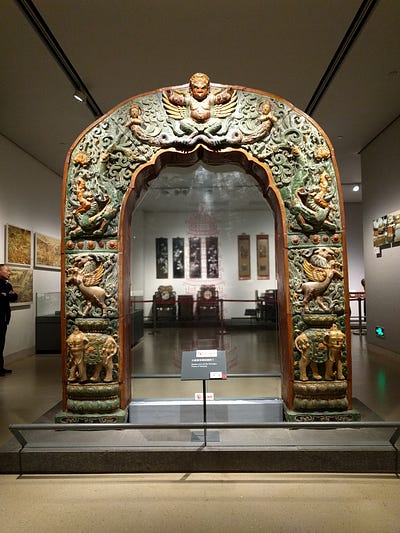
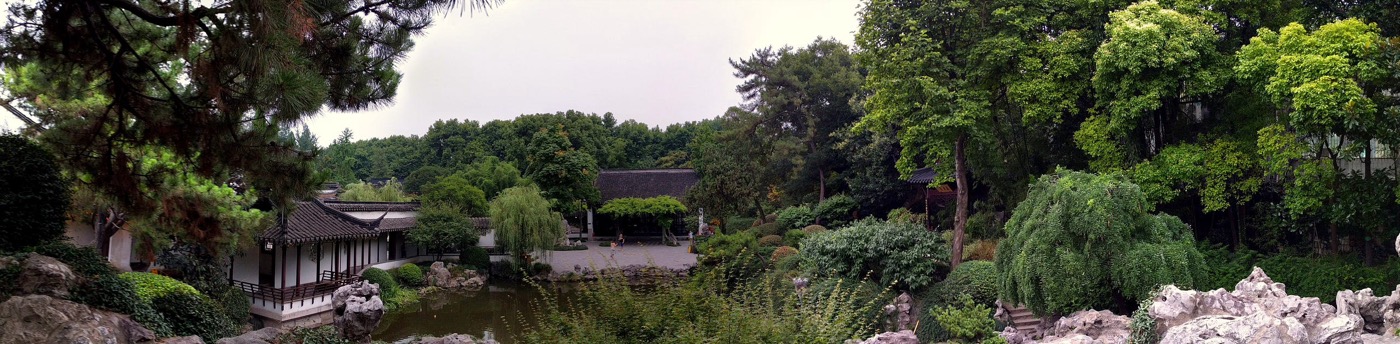
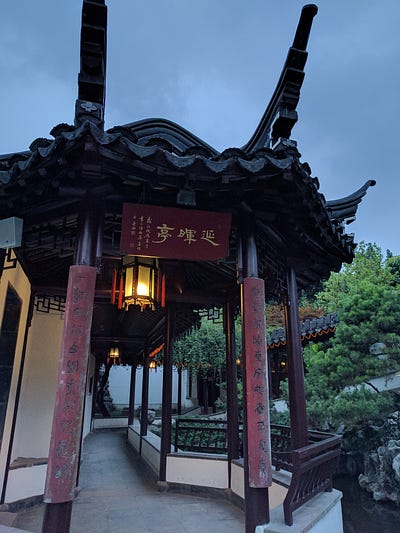
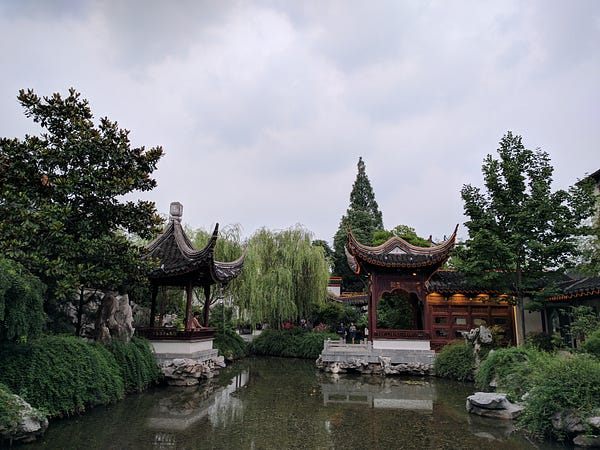
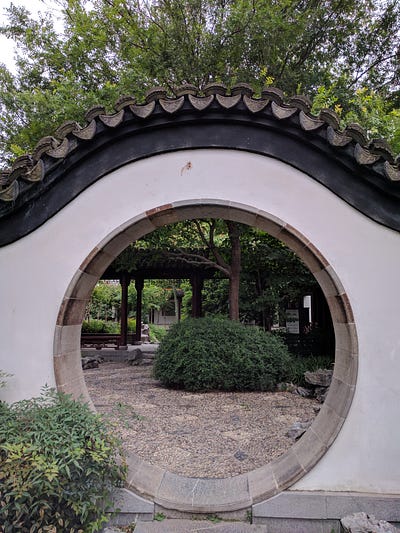
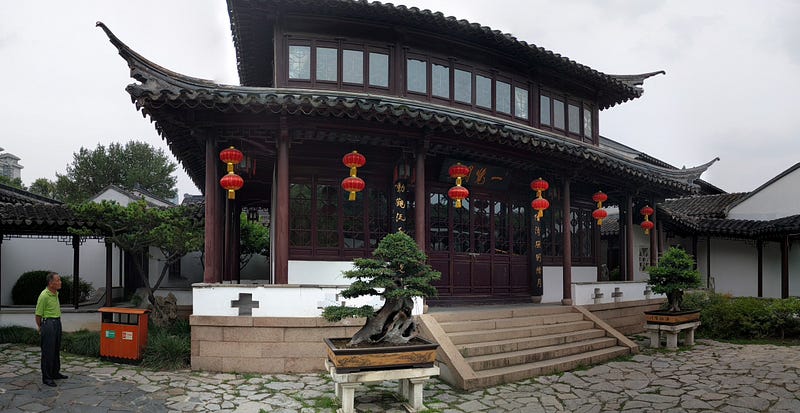
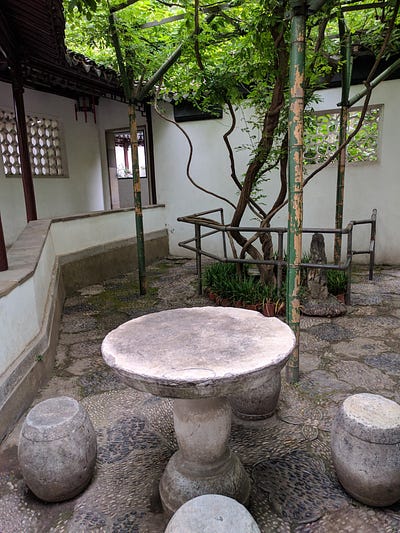
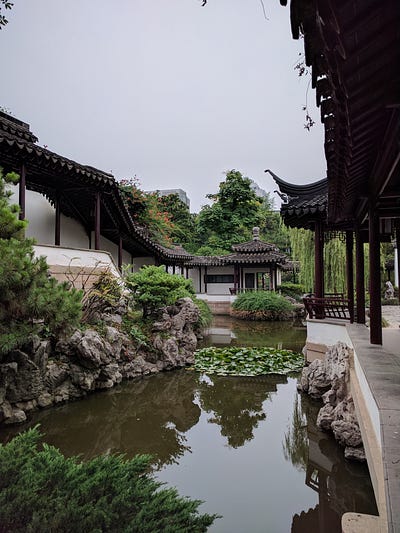
Beautiful palaces and manicured gardens were constructed, such as Zhan Yuan (瞻园) seen below, whose construction took over 14 years as a gift from the emperor to one of his key lieutenants. Culture — music, writing, painting, dancing — was abundant.
Dynasties Change
But dynasties change. In China, the longest dynasties last a few hundred years. The Ming dynasty lasted nearly 300 years. So did the Tang, Song, and Qing dynasties. History has yet to see an evergreen empire. The kingdoms in Europe took turns being in power, and then being displaced from power. The British Empire was only at the height of its power for a few hundred years.
Nanjing witnessed its rise to the greatest city in the world at one point, to its fall during the Sino-Japanese War in the 1930s-40s. Visiting the Nanjing Massacre Victims Memorial was a solemn reminder of the cruelty of fascism. 300,000 unarmed citizens were looted, raped, and murdered in a span of 6 weeks. It may be lesser known than the Holocaust and Nazi extermination camps, but not any less brutal and inexcusable.
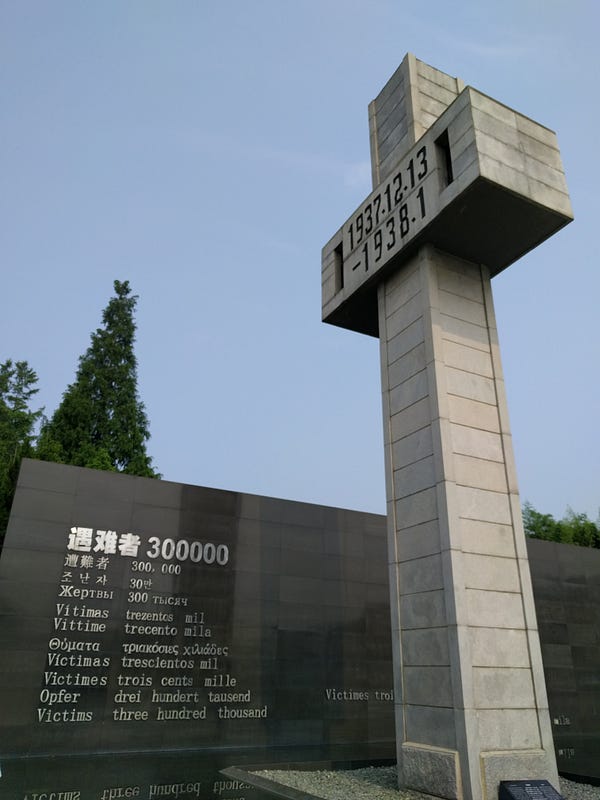
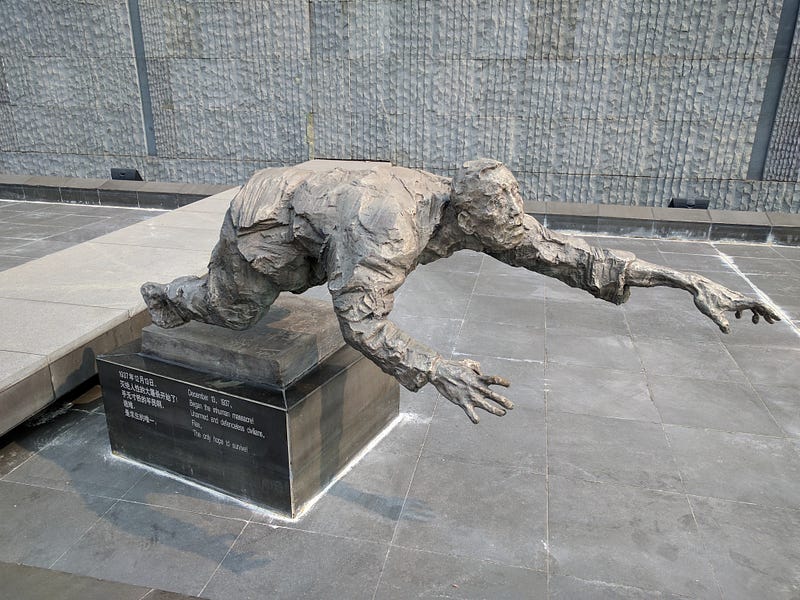
The Memorial, like other Holocaust memorials that I’ve been to across the world, serves as a clear reminder that the peace today is hard-won, and not to be taken for granted. Discrimination and segregation can and will lead to future disturbances. History repeats itself (see above, there hasn’t been a single evergreen empire/country as of yet).
Present Day
Unlike is sibling Beijing in the north, Nanjing has forever lost most of its historic buildings and artifacts during the war(s), but it has risen again as one of the New Tier 1 cities in China.
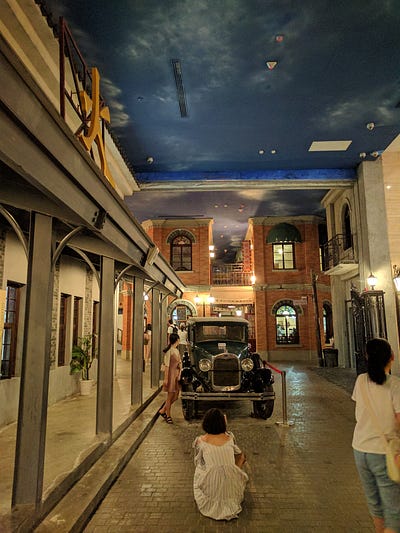
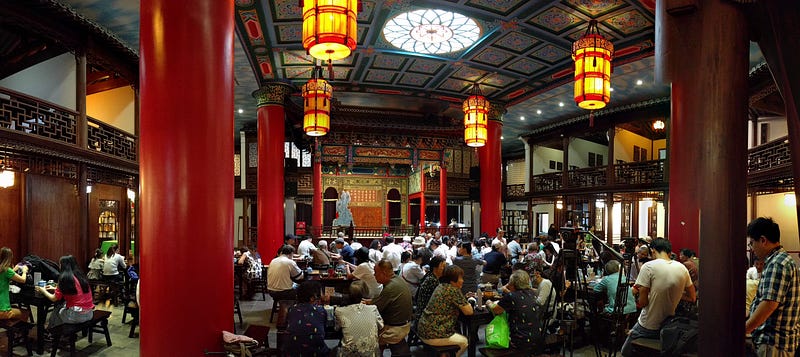
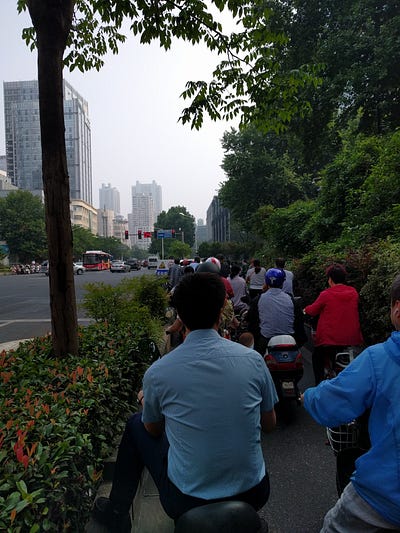
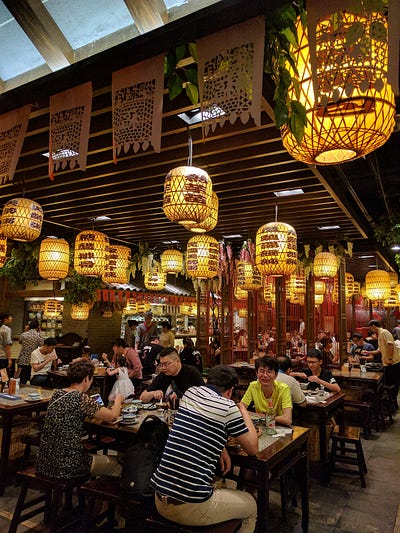
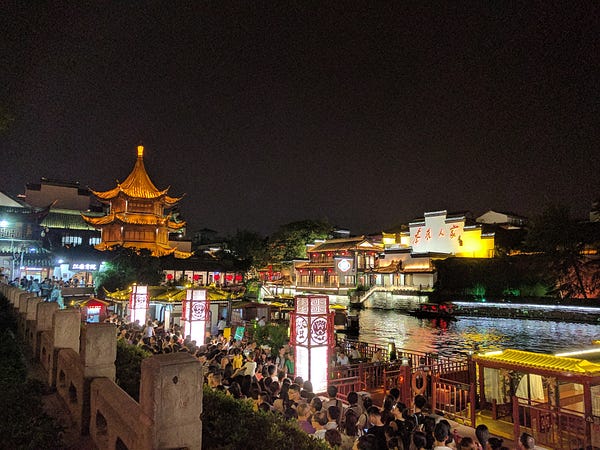
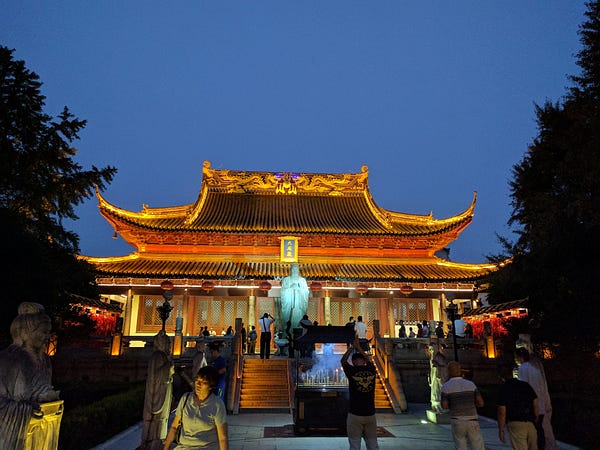
It’s got a beautiful, albeit extremely crowded and touristy, Qinhuai riverbank (秦淮河), a happening bar street, and modern malls to match any in the world. Plus, there are always delicious treats to be found.
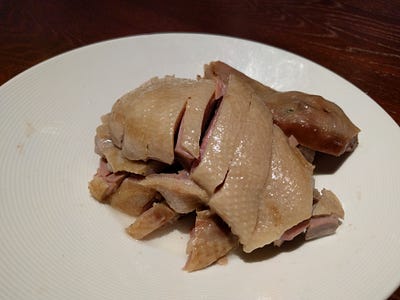
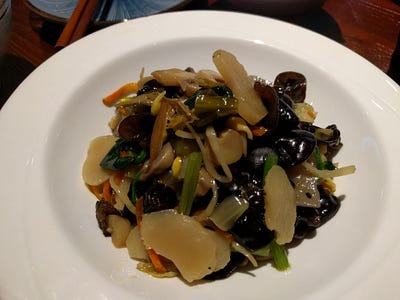
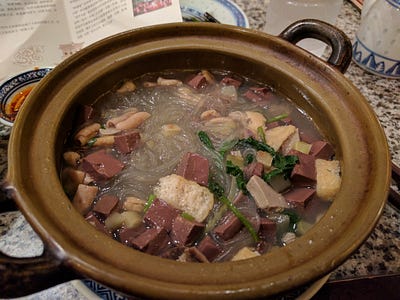
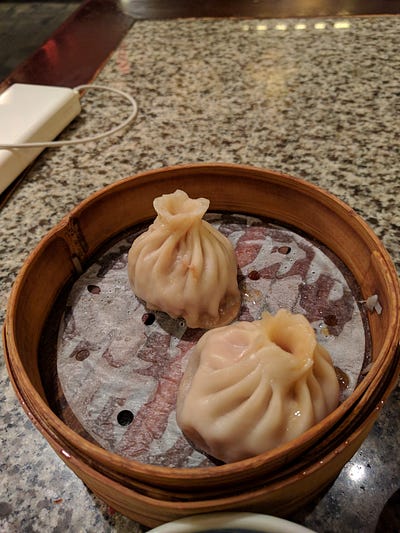
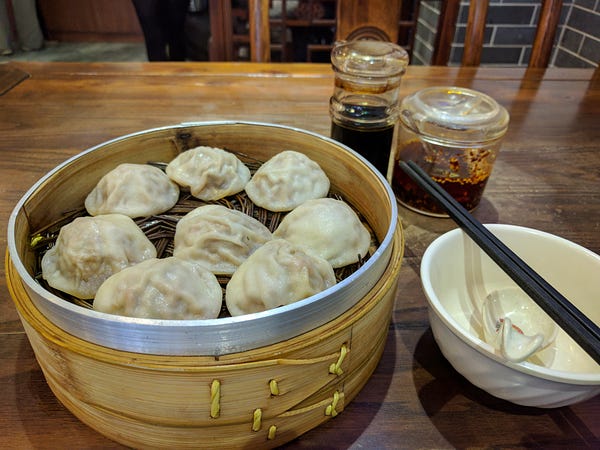
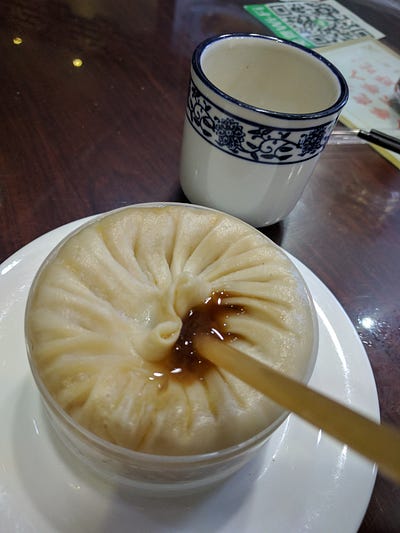
The one-day “layover” (well, a stop along a train ride) showed me more Chinese history and made me contemplate more than I thought I would. I came in with no expectation, and left with a richer appreciation of the world today. 24 hours well spent.